-
Description

-
1 Carbon Neutrality2022-03-30 Description Climatechangeisaglobalconcern.Everyyear,morethan40billiontonsofcarbondioxidearereleasedintotheair,whichinpartresultsinglobalwarmingandclimatechange.Carbonneutralityisaglobalinitiativetoreducecarbonemissionsandcallforothersolutions.Togetherwithourinternationalpartners,wearegoingtoofferanintensivesummercourse,whichwillenablestudentstohaveasolidunderstandingofscience,technology,andpolicyincarbonneutrality.ThiscourseconsistsofthreemodulesthatwillprovideinterdisciplinarytrainingforstudentstounderstanSDG Global Summer School 附件
Climate change is a global concern. Every year, more than 40 billion tons of carbon dioxide are released into the air, which in part results in global warming and climate change. Carbon neutrality is a global initiative to reduce carbon emissions and call for other solutions.
Together with its international partners, we are going to offer an intensive summer course, which will enable students to have a solid understanding of science, technology, and policy in carbon neutrality.
This course consists of three modules that will provide interdisciplinary training for students to understand the current issues of carbon emission and the mitigation pathways.
The first module will present the carbon neutrality concept and provide the fundamental knowledge on climate change, carbon emission quantification, and its related economic effect.
The second and third modules highlight ecosystem carbon sink and industrial carbon sequestration, the two different approaches to mitigate the carbon emission, which cover the topics of the terrestrial carbon cycle, carbon sequestration in soil, industrial CO2 capture, energy transformation, etc.
Course Time: July 15 - August 4, 2024
DOWNLOAD SYLLABUS updated as of 28 July 2023
-
-
Instructors
-
1 Yakov Kuzyakov2023-07-28
 Instructors
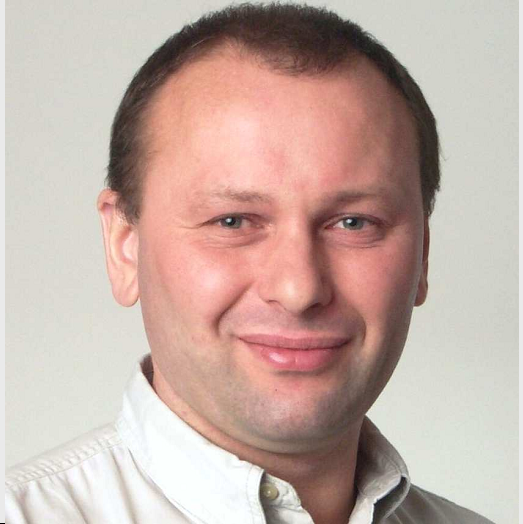
Dr. Yakov Kuzyakov is a Professor at the University of Göttingen, Germany. He has long been engaged in research in the direction of soil ecology, land degradation, plant inter-root ecology, excitation effects, carbon sequestration and elemental cycling, as well as extensive explorations in the areas of labelling of stable and radioactive isotopes, natural abundance, isotope dilution and visualization.
SDG Global Summer School
Instructors
Dr. Yakov Kuzyakov is a Professor at the University of Göttingen, Germany. He has long been engaged in research in the direction of soil ecology, land degradation, plant inter-root ecology, excitation effects, carbon sequestration and elemental cycling, as well as extensive explorations in the areas of labelling of stable and radioactive isotopes, natural abundance, isotope dilution and visualization.
SDG Global Summer SchoolDr. Yakov Kuzyakov is a Professor at the University of Göttingen, Germany. He has long been engaged in research in the direction of soil ecology, land degradation, plant inter-root ecology, excitation effects, carbon sequestration and elemental cycling, as well as extensive explorations in the areas of labelling of stable and radioactive isotopes, natural abundance, isotope dilution and visualization.
-
2 Jaehong Kim2023-04-07
 Instructors
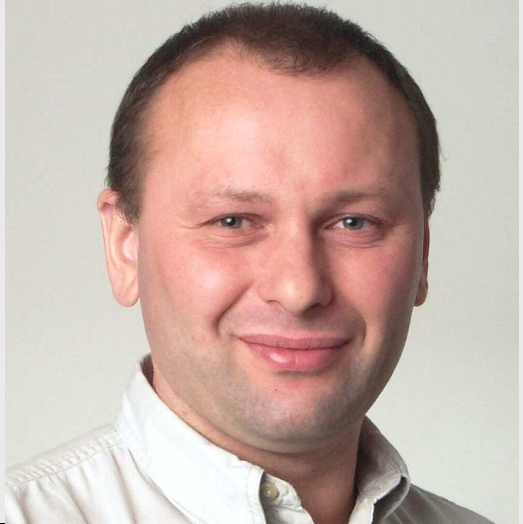
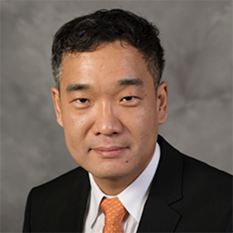
Dr. Jaehong Kim is currently Henry P. Becton Sr. Professor of Engineering and Department Chair of Chemical and Environmental Engineering in School of Engineering and Applied Science at Yale University. His areas of interest include: 1) environmental application of nanomaterials and single atom catalysts; 2) development of photoluminescence / photocatalysis technology for environmental and energy application; and 3) on-site synthesis of water treatment chemicals and catalytic advanced oxidation
SDG Global Summer School
Instructors
Dr. Jaehong Kim is currently Henry P. Becton Sr. Professor of Engineering and Department Chair of Chemical and Environmental Engineering in School of Engineering and Applied Science at Yale University. His areas of interest include: 1) environmental application of nanomaterials and single atom catalysts; 2) development of photoluminescence / photocatalysis technology for environmental and energy application; and 3) on-site synthesis of water treatment chemicals and catalytic advanced oxidation
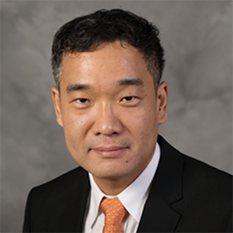
SDG Global Summer SchoolDr. Jaehong Kim is currently Henry P. Becton Sr. Professor of Engineering and Department Chair of Chemical and Environmental Engineering in School of Engineering and Applied Science at Yale University. His areas of interest include: 1) environmental application of nanomaterials and single atom catalysts; 2) development of photoluminescence / photocatalysis technology for environmental and energy application; and 3) on-site synthesis of water treatment chemicals and catalytic advanced oxidation processes. He is a recipient of various awards including Ackerman Award for Teaching and Mentoring from Yale University (2017), Bill Shultz Junior Faculty Teaching Award from School of Civil and Environmental Engineering (2013), Walter L. Huber Civil Engineering Research Prize from American Society of Civil Engineers (2013), Best Paper Award from American Chemical Society (2012, 2018, 2020), Paul L. Busch Award from Water Environment Research Foundation (2009), Excellence in Research Award from Georgia Institute of Technology (2009), and CETL/BP Junior Faculty Teaching Excellence Award from Georgia Institute of Technology (2007). He is currently serving as an associate editor of a newly launched journal, ACS ES&T Engineering.
-
3 Xiaojie Lin2023-04-07
 Instructors
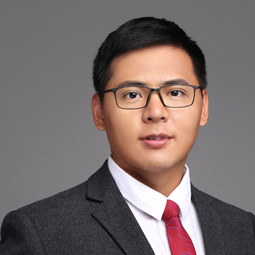
Dr. Xiaojie Lin is an associate researcher at the College of Energy Engineering, Zhejiang University and a research fellow in its Changzhou Industrial Technology Research Institute. His research focuses on the optimal design and simulation of smart energy system with a special interest in data-driven approaches in industrial energy scenarios.
SDG Global Summer School
Instructors
Dr. Xiaojie Lin is an associate researcher at the College of Energy Engineering, Zhejiang University and a research fellow in its Changzhou Industrial Technology Research Institute. His research focuses on the optimal design and simulation of smart energy system with a special interest in data-driven approaches in industrial energy scenarios.
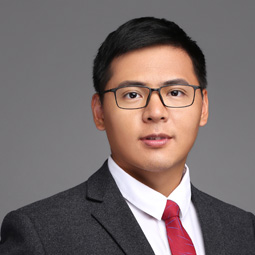
SDG Global Summer SchoolDr. Xiaojie Lin is an associate researcher at the College of Energy Engineering, Zhejiang University and a research fellow in its Changzhou Industrial Technology Research Institute. His research focuses on the optimal design and simulation of smart energy system with a special interest in data-driven approaches in industrial energy scenarios.
-
4 Menglian Zheng2023-04-07
 Instructors
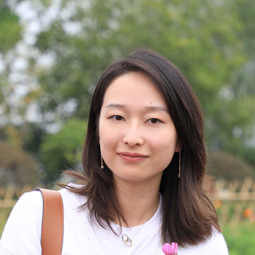
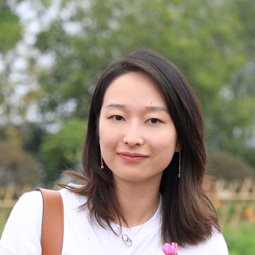
Dr. Menglian Zheng is an Associate Professor at the College of Energy Engineering, Zhejiang University. She earned a B.S. degree in Energy & Environment Systems Engineering from Zhejiang University, China in 2007. She then came to the U.S. in 2011 and earned M.S. and Ph.D. degrees from Columbia University in 2015.
SDG Global Summer School
Instructors
Dr. Menglian Zheng is an Associate Professor at the College of Energy Engineering, Zhejiang University. She earned a B.S. degree in Energy & Environment Systems Engineering from Zhejiang University, China in 2007. She then came to the U.S. in 2011 and earned M.S. and Ph.D. degrees from Columbia University in 2015.
SDG Global Summer SchoolDr. Menglian Zheng is an Associate Professor at the College of Energy Engineering, Zhejiang University. She earned a B.S. degree in Energy & Environment Systems Engineering from Zhejiang University, China in 2007. She then came to the U.S. in 2011 and earned M.S. and Ph.D. degrees from Columbia University in 2015.
-
5 Mengxiang Fang2023-04-07
 Instructors
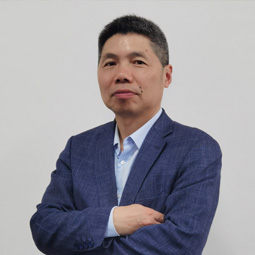
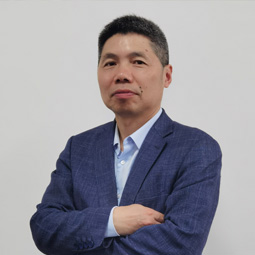
Dr. Mengxiang Fang is a Professor at the College of Energy Engineering, Zhejiang University. His interest is coal and biomass combustion and gasification, CO2 emission control. He has already been responsible to finished more than 40 projects including National Natural Science Foundation Project, National Key Basic Research Project(973), National High Technology Research and Development Project(863), EU cooperation project, China & US International cooperation projects, Cooperation projects wit
SDG Global Summer School
Instructors
Dr. Mengxiang Fang is a Professor at the College of Energy Engineering, Zhejiang University. His interest is coal and biomass combustion and gasification, CO2 emission control. He has already been responsible to finished more than 40 projects including National Natural Science Foundation Project, National Key Basic Research Project(973), National High Technology Research and Development Project(863), EU cooperation project, China & US International cooperation projects, Cooperation projects wit
SDG Global Summer SchoolDr. Mengxiang Fang is a Professor at the College of Energy Engineering, Zhejiang University. His interest is coal and biomass combustion and gasification, CO2 emission control. He has already been responsible to finished more than 40 projects including National Natural Science Foundation Project, National Key Basic Research Project(973), National High Technology Research and Development Project(863), EU cooperation project, China & US International cooperation projects, Cooperation projects with GE, EDF, and CSIRO, etc. He got more than 20 patents and presented more than 100 papers in Journal and conference.
-
6 Tao Wang2023-04-07
 Instructors
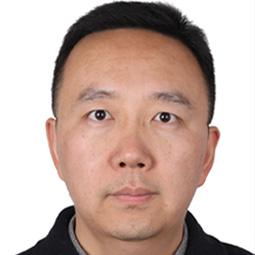
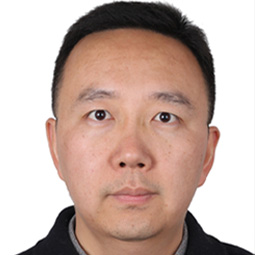
Dr. Tao Wang received his doctoral degree from Zhejiang University in 2008 and was a postdoctoral fellow at Columbia University at New York City. He is now a full professor at the College of Energy Engineering, Zhejiang University. He is active in the R&D of CCUS. In China, his team is leading the Jinjie 150 kilo-ton/a CO2 flue gas capture demonstration and the Jiaozuo 10 kilo-ton/a CO2 concrete curing demonstration. He is serving as the Chinese expert for Clean Energy Ministerial CCUS Initiati
SDG Global Summer School
Instructors
Dr. Tao Wang received his doctoral degree from Zhejiang University in 2008 and was a postdoctoral fellow at Columbia University at New York City. He is now a full professor at the College of Energy Engineering, Zhejiang University. He is active in the R&D of CCUS. In China, his team is leading the Jinjie 150 kilo-ton/a CO2 flue gas capture demonstration and the Jiaozuo 10 kilo-ton/a CO2 concrete curing demonstration. He is serving as the Chinese expert for Clean Energy Ministerial CCUS Initiati
SDG Global Summer SchoolDr. Tao Wang received his doctoral degree from Zhejiang University in 2008 and was a postdoctoral fellow at Columbia University at New York City. He is now a full professor at the College of Energy Engineering, Zhejiang University. He is active in the R&D of CCUS. In China, his team is leading the Jinjie 150 kilo-ton/a CO2 flue gas capture demonstration and the Jiaozuo 10 kilo-ton/a CO2 concrete curing demonstration. He is serving as the Chinese expert for Clean Energy Ministerial CCUS Initiative, member of CCUS committee of Chinese Society for Sustainable Development, and associate editor of Frontiers in Energy Research.
-
7 Karl Ritz2023-04-07
 Instructors
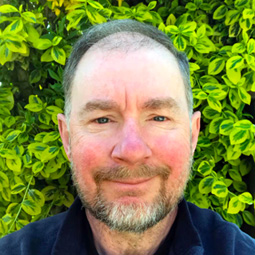
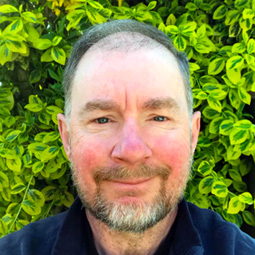
Dr. Karl Ritz is Emeritus Professor of Soil Ecology at University of Nottingham. He has been selected as a global highly cited scholar. He has extensive experience in studying a wide range of interactions between soils, plants, microbes and fauna in a variety of ecosystems across a wide range of spatial and temporal scales. His research interests focus on developing a mechanistic understanding the origins and functional consequences of the compositional and spatial organization of soil communit
SDG Global Summer School
Instructors
Dr. Karl Ritz is Emeritus Professor of Soil Ecology at University of Nottingham. He has been selected as a global highly cited scholar. He has extensive experience in studying a wide range of interactions between soils, plants, microbes and fauna in a variety of ecosystems across a wide range of spatial and temporal scales. His research interests focus on developing a mechanistic understanding the origins and functional consequences of the compositional and spatial organization of soil communit
SDG Global Summer SchoolDr. Karl Ritz is Emeritus Professor of Soil Ecology at University of Nottingham. He has been selected as a global highly cited scholar. He has extensive experience in studying a wide range of interactions between soils, plants, microbes and fauna in a variety of ecosystems across a wide range of spatial and temporal scales. His research interests focus on developing a mechanistic understanding the origins and functional consequences of the compositional and spatial organization of soil communities.
-
8 Georg Guggenberger2023-04-07
 Instructors
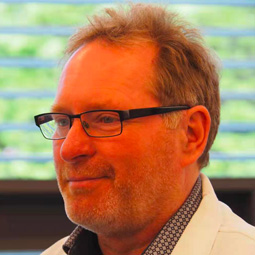
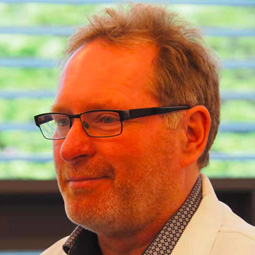
Dr. Georg Guggenberger is a Professor and director of the Soil Institute of Leibniz University Hannover, Germany. He focuses on the function of soils as carbon sink and source and the preservation and regeneration of soil fertility. He investigates fundamental processes of biotic and abiotic factors on the formation and stabilization of soil organic matter and its effects on ensuring various soil functions. He has been selected as a global highly cited scholar for 10 consecutive years.
SDG Global Summer School
Instructors
Dr. Georg Guggenberger is a Professor and director of the Soil Institute of Leibniz University Hannover, Germany. He focuses on the function of soils as carbon sink and source and the preservation and regeneration of soil fertility. He investigates fundamental processes of biotic and abiotic factors on the formation and stabilization of soil organic matter and its effects on ensuring various soil functions. He has been selected as a global highly cited scholar for 10 consecutive years.
SDG Global Summer SchoolDr. Georg Guggenberger is a Professor and director of the Soil Institute of Leibniz University Hannover, Germany. He focuses on the function of soils as carbon sink and source and the preservation and regeneration of soil fertility. He investigates fundamental processes of biotic and abiotic factors on the formation and stabilization of soil organic matter and its effects on ensuring various soil functions. He has been selected as a global highly cited scholar for 10 consecutive years.
-
9 Yu Luo2023-04-07
 Instructors
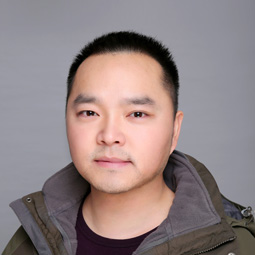
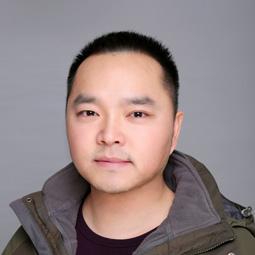
Dr. Yu Luo is a researcher in Zhejiang University. He is interested in soil organic matter and indulged in the understanding of mechanistic underpinning of carbon turnover and energy flow since 2002. In the past 5 years he has produced several publications from the top soil journals including Soil Biol Biochem (21), Envion Mcriobiol (2), etc. He is leading projects from National Science Foundation of China and some other international cooperation funding with Germany, UK and Australia. He is al
SDG Global Summer School
Instructors
Dr. Yu Luo is a researcher in Zhejiang University. He is interested in soil organic matter and indulged in the understanding of mechanistic underpinning of carbon turnover and energy flow since 2002. In the past 5 years he has produced several publications from the top soil journals including Soil Biol Biochem (21), Envion Mcriobiol (2), etc. He is leading projects from National Science Foundation of China and some other international cooperation funding with Germany, UK and Australia. He is al
SDG Global Summer SchoolDr. Yu Luo is a researcher in Zhejiang University. He is interested in soil organic matter and indulged in the understanding of mechanistic underpinning of carbon turnover and energy flow since 2002. In the past 5 years he has produced several publications from the top soil journals including Soil Biol Biochem (21), Envion Mcriobiol (2), etc. He is leading projects from National Science Foundation of China and some other international cooperation funding with Germany, UK and Australia. He is also the member of editorial board in several soil relevant journals, and the associated editor of Eur J Soil Sci and Biogeosciences.
-
10 Philippe Ciais2023-04-07
 Instructors
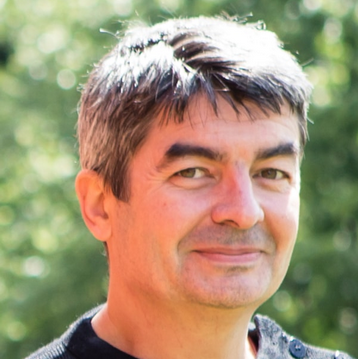
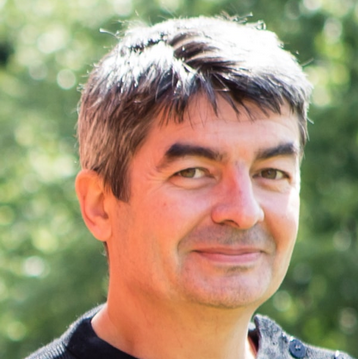
Dr. Philippe Ciais is the CEA research director at the LSCE and has been appointed member of the Chinese Academy of Sciences in 2021.He is mainly engaged in biogeochemical cycle research, and has made a series of important scientific achievements in developing atmospheric CO2 and CH4 inversion models, developing land surface process models, and revealing the response mechanism of terrestrial ecosystem carbon cycle to climate extremes.
SDG Global Summer School
Instructors
Dr. Philippe Ciais is the CEA research director at the LSCE and has been appointed member of the Chinese Academy of Sciences in 2021.He is mainly engaged in biogeochemical cycle research, and has made a series of important scientific achievements in developing atmospheric CO2 and CH4 inversion models, developing land surface process models, and revealing the response mechanism of terrestrial ecosystem carbon cycle to climate extremes.
SDG Global Summer SchoolDr. Philippe Ciais is the CEA research director at the LSCE and has been appointed member of the Chinese Academy of Sciences in 2021.He is mainly engaged in biogeochemical cycle research, and has made a series of important scientific achievements in developing atmospheric CO2 and CH4 inversion models, developing land surface process models, and revealing the response mechanism of terrestrial ecosystem carbon cycle to climate extremes.
-
11 Jinfeng Chang2023-04-07
 Instructors
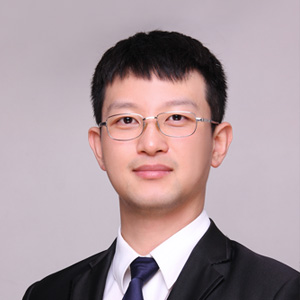
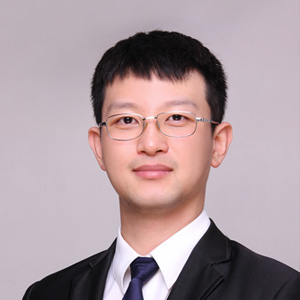
Dr. Jinfeng Chang is a researcher at the College of Environmental and Resource Sciences, Zhejiang University, China and also a guest research scholar at International Institute for Applied Systems Analysis (IIASA), Austria. His is primarily interested in the carbon and nutrient cycles of terrestrial ecosystems at regional and global scale, and the integrated assessment of land system including the impacts of climate change and management.
SDG Global Summer School
Instructors
Dr. Jinfeng Chang is a researcher at the College of Environmental and Resource Sciences, Zhejiang University, China and also a guest research scholar at International Institute for Applied Systems Analysis (IIASA), Austria. His is primarily interested in the carbon and nutrient cycles of terrestrial ecosystems at regional and global scale, and the integrated assessment of land system including the impacts of climate change and management.
SDG Global Summer SchoolDr. Jinfeng Chang is a researcher at the College of Environmental and Resource Sciences, Zhejiang University, China and also a guest research scholar at International Institute for Applied Systems Analysis (IIASA), Austria. His is primarily interested in the carbon and nutrient cycles of terrestrial ecosystems at regional and global scale, and the integrated assessment of land system including the impacts of climate change and management.
-
12 Kai Fang2023-04-07
 Instructors
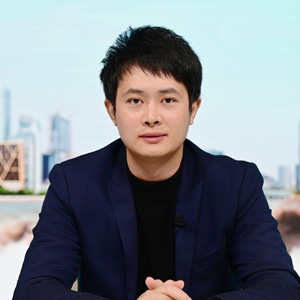
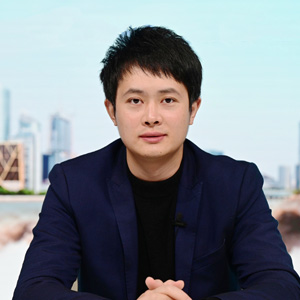
Dr. Kai Fang is Tenured Associate Professor of environmental management at School of Public Affairs, and Vice Director of Research Center for Regional Coordinated Development (RCRCD) and Environmental & Energy Policy Center (EEPC) in Zhejiang University. He obtained his PhD degree from Leiden University. He has published over 100 articles in peer-reviewed journals like Nature Sustainability.
SDG Global Summer School
Instructors
Dr. Kai Fang is Tenured Associate Professor of environmental management at School of Public Affairs, and Vice Director of Research Center for Regional Coordinated Development (RCRCD) and Environmental & Energy Policy Center (EEPC) in Zhejiang University. He obtained his PhD degree from Leiden University. He has published over 100 articles in peer-reviewed journals like Nature Sustainability.
SDG Global Summer SchoolDr. Kai Fang is Tenured Associate Professor of environmental management at School of Public Affairs, and Vice Director of Research Center for Regional Coordinated Development (RCRCD) and Environmental & Energy Policy Center (EEPC) in Zhejiang University. He obtained his PhD degree from Leiden University. He has published over 100 articles in peer-reviewed journals like Nature Sustainability.
-
13 Zhifu Mi2023-04-07
 Instructors
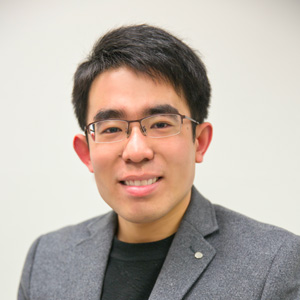
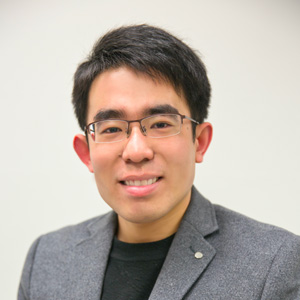
Dr. Zhifu Mi is an Associate Professor in Climate Change Economics at University College London (UCL). He has published papers in leading journals, such as Lancet, Science Advances, Nature Energy, Nature Food, and Nature Sustainability. He is a Co-Editor-in-Chief of Structural Change and Economic Dynamics (IF=3.579).
SDG Global Summer School
Instructors
Dr. Zhifu Mi is an Associate Professor in Climate Change Economics at University College London (UCL). He has published papers in leading journals, such as Lancet, Science Advances, Nature Energy, Nature Food, and Nature Sustainability. He is a Co-Editor-in-Chief of Structural Change and Economic Dynamics (IF=3.579).
SDG Global Summer SchoolDr. Zhifu Mi is an Associate Professor in Climate Change Economics at University College London (UCL). He has published papers in leading journals, such as Lancet, Science Advances, Nature Energy, Nature Food, and Nature Sustainability. He is a Co-Editor-in-Chief of Structural Change and Economic Dynamics (IF=3.579).
-
14 Chaochao Gao2023-04-07
 Instructors
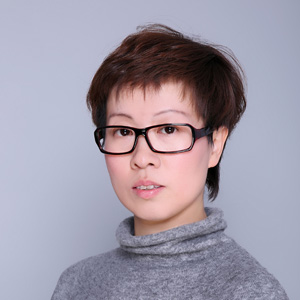
Dr. Chaochao Gao is an Associate Professor at Zhejiang University and conducts research on climate change impacts and mitigation. She has published papers in leading journals, such as Communications Earth & Environment, Journal of Cleaner Production, and Journal of Geophysical Research.
SDG Global Summer School
Instructors
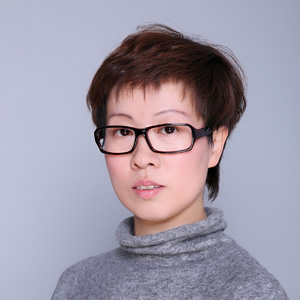
Dr. Chaochao Gao is an Associate Professor at Zhejiang University and conducts research on climate change impacts and mitigation. She has published papers in leading journals, such as Communications Earth & Environment, Journal of Cleaner Production, and Journal of Geophysical Research.
SDG Global Summer SchoolDr. Chaochao Gao is an Associate Professor at Zhejiang University and conducts research on climate change impacts and mitigation. She has published papers in leading journals, such as Communications Earth & Environment, Journal of Cleaner Production, and Journal of Geophysical Research.
-
15 Xuekun Fang2023-04-07
 Instructors
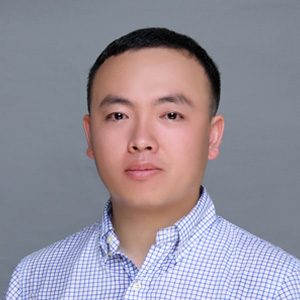
Dr. Xuekun Fang is a Professor in Zhejiang University (2019-now). He worked at Norwegian Institute for Air Research as a short stint (2012-2013) and conducted his postdoctoral research at Massachusetts Institute of Technology (2014-2019). His research group focuses on understanding the sources of ozone-depleting substances, climate change gases, and air pollutants. He received Young Scientist Award from Chinese Society for Environmental Sciences in 2021. \p
SDG Global Summer School
Instructors
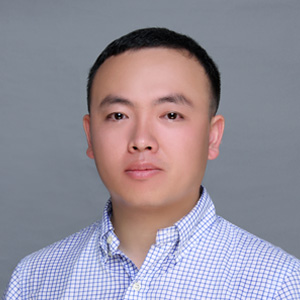
Dr. Xuekun Fang is a Professor in Zhejiang University (2019-now). He worked at Norwegian Institute for Air Research as a short stint (2012-2013) and conducted his postdoctoral research at Massachusetts Institute of Technology (2014-2019). His research group focuses on understanding the sources of ozone-depleting substances, climate change gases, and air pollutants. He received Young Scientist Award from Chinese Society for Environmental Sciences in 2021. \p
SDG Global Summer SchoolDr. Xuekun Fang is a Professor in Zhejiang University (2019-now). He worked at Norwegian Institute for Air Research as a short stint (2012-2013) and conducted his postdoctoral research at Massachusetts Institute of Technology (2014-2019). His research group focuses on understanding the sources of ozone-depleting substances, climate change gases, and air pollutants. He received Young Scientist Award from Chinese Society for Environmental Sciences in 2021.
-